// Solution 01
SAP & ERP Data Integration
Connect SAP, WMS and other operational systems to a reliable analytical platform.
Your data shouldn't need a person to move it.
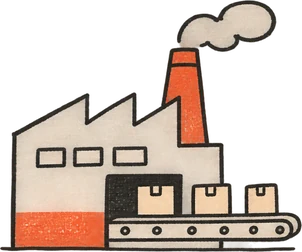
1So + 2In + 3Pl = SAP data that turns up on its own.
// Sound familiar?
Most of this doesn't look like an architecture problem.
It shows up as wasted hours, unreliable reporting and people doing work that systems should handle.
The Monday export.
The SAP export someone pastes into Excel every Monday.
Six systems. Six different answers.
Data lives in separate applications and spreadsheets. Everyone exports their own version before they can answer a simple business question.
The pipeline failed. Again.
Refreshes break, columns change and scheduled jobs fail without anyone noticing until a dashboard shows yesterday's numbers.
Someone is the integration.
A person downloads files, combines worksheets and corrects data by hand. The process works only while that person is available.
// Illustrative example · the right design depends on your systems, volumes and budget
// The approach
Chaos in. Structured data out.
Disconnected systems, fragile pipelines and Monday spreadsheets become one dependable foundation.
The work isn't just moving data from A to B. It's making sure the data arrives, gets checked, follows consistent definitions and is ready for the people who depend on it.
// Assessment first
Assessment before architecture. Always.
The objective is a dependable system, not the largest possible implementation.
The first question isn't whether you need Microsoft Fabric, Databricks or another platform. It's what isn't working today, what the business needs from the data and which parts of the existing setup are worth keeping.
Sometimes that means a new warehouse. Sometimes it means fixing three unreliable pipelines and leaving the rest alone.
// What you get
The unglamorous infrastructure that makes everything else work.
Not every business needs a new data platform. I work with what makes sense for your systems, reporting requirements and team.
- ETL & ELT pipelines. Move data between systems with appropriate scheduling, transformations, error handling and monitoring.
- Data warehouses & lakehouses. Structured storage that supports reporting, analytics and future changes without unnecessary complexity.
- Dimensional models. Fact tables, dimensions and Kimball-style star schemas designed around the questions the business asks.
- Data validation. Checks for missing, duplicated or inconsistent records before bad data reaches business reports.
- Monitoring & recovery. Failures made visible, with sensible retry, recovery and investigation processes.
- Documentation & handover. Clear pipeline logic, ownership and operational guidance, so your team isn't dependent on guesswork.
// How it works
Find the bottleneck. Fix that.
Understand the current state
Review sources, pipelines, reporting dependencies, known failures and existing platform choices.
Identify the actual bottleneck
Separate problems with data quality, integration, modelling, performance and operational ownership.
Design the smallest sensible solution
Choose an architecture based on requirements, maintainability and cost rather than platform hype.
Build, validate and hand over
Implement the agreed changes, test the data and document what the team needs to operate it.
// BUILT ON · TOOLS, NOT THE STARTING POINT
- SAP
- Azure Data Factory
- Microsoft Fabric
- Databricks
- SQL
// Things you might ask
Fair questions.
Do you only work with SAP?
No. SAP is where my experience runs deepest, but I work with data from any ERP, warehouse system, TMS or operational database.
Databricks or Fabric?
Both. I'll recommend whatever fits what you already run, and if you don't need a new platform, I'll tell you.
What if you conclude we don't need a project?
Then I'll say so. An independent assessment should help you avoid unnecessary work, not create more of it.
What happens when the project ends?
You get documentation and a proper handover, and your team is shown how to use and look after what was built. Ongoing care is optional.